
"acidity levels"
20000 article(s) found

The characteristics of coffee in Africa-feel the charming acidity of coffee, how to taste it
Professional coffee knowledge exchange more coffee bean information please follow coffee workshop (Wechat official account cafe_style) Coffee Xiaobai Advanced Level 3, began to accept sour coffee, distinguish various acidity, experience acidity, from Coffee Xiaobai Advanced Level 1 Advanced Coffee Level 2, slowly began to like to drink African beans. Coffee beans from three continents have their own characteristics, to put it simply

Sidamo coffee beans wash Sidamo boutique coffee beans Ethiopian plateau and other places
Ethiopia is the hometown of Arabica coffee, and it is in the forests of Kaffa that you can see wild Arabica coffee. In Ethiopian, coffee is called Bun or Buna, and coffee beans (coffeebean) may be translated from Kaffa Bun. Arabica coffee was discovered early in the Harar area and is likely to come.

Introduction to the flavor description characteristics of Ethiopian coffee varieties with balanced flavor
Ethiopia is the hometown of Arabica coffee, and it is in the forests of Kaffa that you can see wild Arabica coffee. In Ethiopian, coffee is called Bun or Buna, and coffee beans (coffeebean) may be translated from Kaffa Bun. Arabica coffee was discovered early in the Harar area and is likely to come.

Coffee originates from Ethiopian coffee bean variety brand manor region taste introduction
Coffee originates from Ethiopian coffee bean variety brand manor area. 1. Limu coffee grows between 1400 meters and 2000 meters above sea level. Wash the coffee. Excellent quality, with strong nut aromas, suitable acidity, with the intensity of wine. The annual output is 29000 tons. 2. Jima Coffee grows between 1400 and 1800 meters above sea level. Sun-baked coffee. Slight acid, yes

What is Ethiopian coffee? What is the treatment of Ethiopian coffee?
Ethiopia is a professional coffee knowledge exchange more information about coffee beans Please follow the coffee workshop (Wechat official account cafe_style) Arabica Coffee is the hometown of Arabica Coffee, it is in the forests of the Kaffa region, you can see wild Arabica coffee. In Ethiopian, coffee is called Bun or Buna, and coffee beans (coffeebean) may come from

A brief introduction to the Market Price of Fine Coffee Bean varieties in Ethiopia (Ethiopia) Coffee Manor
The world-famous Ethiopian coffee is mainly: 1. Limu coffee grows between 1400 meters and 2000 meters above sea level. Wash the coffee. Excellent quality, with strong nut aromas, suitable acidity, with the intensity of wine. The annual output is 29000 tons. 2. Jima Coffee grows between 1400 and 1800 meters above sea level. Sun-baked coffee. Slightly sour, with nutty aromas and a long finish.

The grade of Ethiopian coffee in Ethiopian coffee producing areas
The grade of Ethiopian coffee: Ethiopian water washed coffee Yega Xuefei, the highest grade of Yirgacheffe and Sidamo may be level 2 or 3 (G2 or G3), and most sun-processed coffee in eastern Ethiopia is grade 4 or 5 (G4, G5). In many cases, level 4 coffee is marked as level 5 in order to reduce taxes. The current classification is not very uniform.

Coffee is widely grown in Papua New Guinea at an altitude of 1300 to 1800 meters above sea level.
Babu coffee flavor and taste characteristics: full particles, moderate acidity, mellow taste. Papua New Guinea is an island country in Oceania. Papua means curly hair in Malay. It is said that in 1545, the explorer Retes arrived on the island and found that most of the people on the island had curly hair, that is, the island was called the island of curly hair.

Ethiopian coffee flavor manor area with nut flavor
In Ethiopia, the grading and quality control system of coffee is divided into three levels: producer, regional and national. All coffee is inspected by local inspection agencies before leaving the country of origin, and then re-tested at the coffee inspection and grading centers in Addis and Diredawa to determine its quality grade. Coffee is graded before auction and sale, for all involved in production, acquisition,

Introduction to the Flavor of Ethiopian Yega Xuefei Fine Coffee the taste of Yega Xuefei coffee
Although the Ethiopian Yirgacheffe coffee is petite, it is gentle and delicate and sweet. As the hometown of coffee, thousands of years of planting history and processing tradition in Ethiopia have created high-quality washed Arabica beans. Light baking has unique sweet aromas of lemon, flowers and honey, soft acidity and citrus flavors, fresh and bright on the palate. Without

The relationship between Kenyan coffee and Arabica coffee beans
In Ethiopia, the grading and quality control system of coffee is divided into three levels: producer, regional and national. All coffee is inspected by local inspection agencies before leaving the country of origin, and then re-tested at the coffee inspection and grading centers in Addis and Diredawa to determine its quality grade. Coffee is graded before auction and sale, for all involved in production, acquisition,

The characteristics of Ethiopian Coffee and the World-famous Ethiopian Coffee
The natural characteristics of coffee beans include large
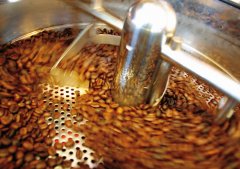
Introduction of six kinds of world-famous Ethiopian coffee beans
1. Limu coffee grows between 1400 meters and 2000 meters above sea level. Wash the coffee. Excellent quality, with strong nut aromas, suitable acidity, with the intensity of wine. The annual output is 29000 tons. 2. Jima Coffee grows between 1400 and 1800 meters above sea level. Sun-baked coffee. Slightly sour, with nutty aromas and a long finish. The annual output is 70000 tons. 3. Growth of Gamby Coffee
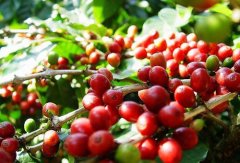
The characteristics of the boutique coffee Essex Coffee
The natural characteristics of coffee beans include large
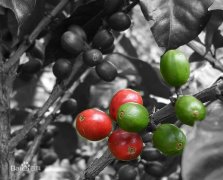
Ethiopian coffee specialty boutique coffee
Ethiopian coffee features natural characteristics of coffee beans include large

Coffee production and processing in Ethiopia introduces how to debug the coffee grinder
The natural characteristics of coffee beans include large coffee beans.

Ethiopian Coffee characteristic Gima Coffee Sidamo Coffee African boutique Coffee beans sour Coffee
The natural characteristics of coffee beans include large coffee beans.

Introduction to the Flavor characteristics of Ethiopian Yega Xuefei Coffee
In Ethiopia, the grading and quality control system of coffee is divided into three levels: producer, regional and national. All coffee is inspected by local inspection agencies before leaving the country of origin, and then re-tested at the coffee inspection and grading centers in Addis and Diredawa to determine its quality grade. Coffee is graded before auction and sale, for all involved in production, acquisition,
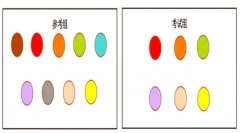
Q-Grader examination experience and examination form Coffee examination Notes
There are 8 major items and 20 subjects in the Q-Grader examination. The first major item (4 subjects) was tested together in 2 subjects, with a time limit of 1 hour; the second major item (1 subject) was graded for 1 hour; the third major item (2 subjects) was graded for cooked beans; the fourth major item (1 subject) was limited to 1 hour for organic acid; the fifth item (3 subjects) was limited for 1 hour; and the sixth major item (3 subjects) was limited for 1 hour.

An introduction to the characteristics of Ethiopian Coffee Flavor Manor
In Ethiopia, the grading and quality control system of coffee is divided into three levels: producer, regional and national. All coffee is inspected by local inspection agencies before leaving the country of origin, and then re-tested at the coffee inspection and grading centers in Addis and Diredawa to determine its quality grade. Coffee is graded before auction and sale, for all involved in production, acquisition,